
Kuala Lumpur Dining Trends: What’s Shaping the City’s Food Scene This Year
- 24 November 2025
Kuala Lumpur has always been one of Southeast Asia’s most exciting food destinations. Locals and tourists alike often describe the city as a place where modern flavors meet age-old culinary traditions — a living, breathing intersection of Malay, Chinese, Indian, Middle Eastern, Japanese, Korean, and Western influences. But this year, KL’s dining landscape is changing more rapidly than ever. Driven by shifting consumer behaviour, global culinary movements, technology adoption, and evolving lifestyle priorities, the way people eat in the city is undergoing a noticeable transformation.
Here are the key trends shaping Kuala Lumpur’s food scene this year — and what they mean for diners, chefs, and restaurant owners.
1. Sustainability and Ethical Dining Take Centre Stage
Sustainability is no longer just a nice-to-have concept. It has become a genuine expectation among diners, especially younger ones. In KL, more restaurants are adopting farm-to-table principles, prioritizing local produce, reducing food waste, and designing menus around seasonality.
Urban farms, rooftop gardens, and community-grown herbs are increasingly common in cafés and boutique restaurants. Diners now want to know where their food comes from, and businesses are responding with transparent sourcing, eco-friendly packaging, and greener operations.
At the same time, ethical dining intersects strongly with Malaysia’s halal industry, which continues to modernize. Restaurants are exploring halal-certified plant-based products, meat alternatives, and healthier menu options that still honor cultural expectations. Sustainability is shifting from trend to identity.
2. Ghost Kitchens and Delivery-First Brands Continue to Expand
Food delivery remains a major force in KL’s dining economy. Rising rental costs, fast-paced lifestyles, and the flexibility of working from home have made ghost kitchens, also known as cloud kitchens, more appealing to restaurateurs.
These delivery-only kitchens allow businesses to launch multiple “virtual brands” from a single location. For diners, this means more choices on delivery apps: viral fusion concepts, creative rice bowls, premium burgers, and specialty desserts that operate without dine-in spaces.
This trend offers clear advantages:
- lower overhead costs
- the ability to test concepts quickly
- fast scaling across neighbourhoods
- More menu innovation driven by data from delivery apps
But it also increases competition. To stand out, many KL restaurants now focus on creating unforgettable dine-in experiences that cannot be replicated at home. This leads to another rising trend.
3. The Rise of Private Dining, Chef’s Tables, and Immersive Meals
After years of unpredictable dining restrictions, people in KL are craving experiences that feel personal — and intentionally curated.
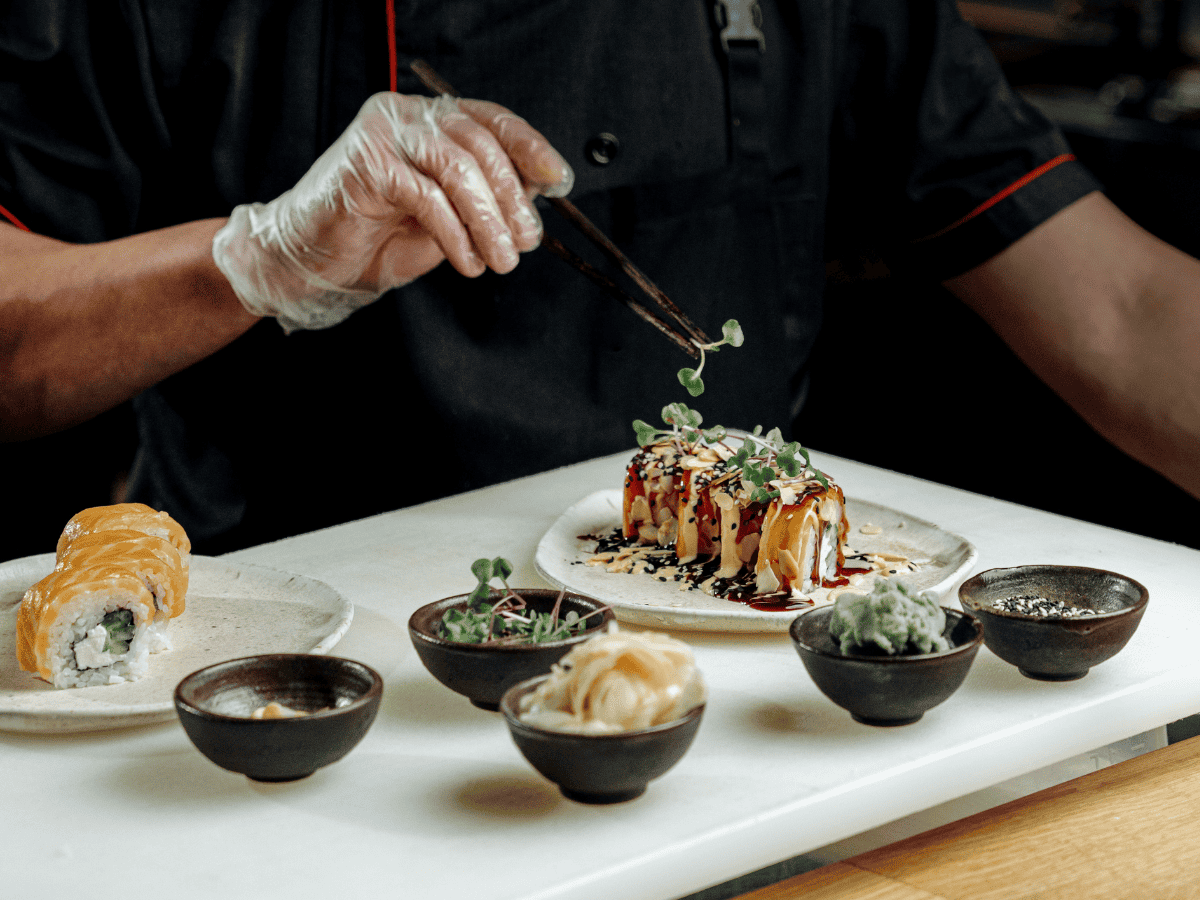
Private dining rooms, chef’s table experiences, ticketed pop-up dinners, and closed-door supper clubs are popular. Instead of simply going out to eat, diners want a story, a connection with the chef, and a sense of exclusivity.
These experiences often include:
- multi-course tasting menus
- intimate gatherings of 6 to 20 guests
- behind-the-scenes narratives about ingredients
- collaborations between local and international chefs
- themed menus ranging from regional Malaysian cuisine to modern Japanese omakase
Private dining has become especially popular among young professionals, couples celebrating milestones, and companies hosting small-scale corporate dinners. The desire for curated, limited-seat events is reshaping KL’s premium dining segment.
4. A Hawker Heritage Revival — Cleaner, Safer, and More Organized
Kuala Lumpur’s street-food culture is one of its greatest treasures. However, the industry has struggled with issues such as licensing, hygiene, inconsistent food quality, and a generational loss of skills.
This year, there is a clear movement toward protecting hawker culture by:
- formalising licensing for more stalls
- improving hygiene standards
- redesigning certain zones to be tourist-friendly
- upgrading facilities and equipment
- encouraging younger Malaysians to learn and preserve heritage recipes
As a result, diners can expect more structured, cleaner hawker centres — but with efforts to maintain authenticity and character. Heritage dishes such as char kuey teow, nasi lemak, claypot chicken rice, and curry mee are gaining renewed attention as more Malaysians take pride in preserving local food identity.

Private Dining in KL with Yaki Soul
Experience intimate and exclusive private dining with Yaki Soul’s refined Japanese dishes and cozy setting.
5. Plant-Based Eating Grows Beyond Trend Status
Plant-based dining has moved from niche cafés into mainstream restaurants, hotel buffets, and specialty fine-dining kitchens. Health-conscious consumers, environmental awareness, and a rising flexitarian population are driving this shift.
Expect to see:
- vegan interpretations of classic Malaysian dishes
- plant-based char siu, rendang, and satay
- creative use of jackfruit, tofu, mushrooms, and legumes
- menus highlighting sustainability and nutrient density
- restaurants offering fully vegan tasting menus
- halal-certified meat-alternative products
Even non-vegetarian diners are exploring plant-based dishes out of curiosity, making this one of the fastest-growing segments in KL dining.
6. Technology Shapes Dining Behavior and Restaurant Efficiency
Technology continues to reshape the way restaurants operate. What used to be futuristic is now standard in KL:
- QR menus
- contactless payments
- digital loyalty programs
- smart reservation platforms
- AI-powered menu recommendations
- real-time inventory and cost tracking
For diners, this means smoother service and personalised experiences. For restaurants, it means being able to manage rising operational costs more efficiently.
Social media behaviour also influences menus — items that are “Instagrammable” or TikTok-friendly tend to gain traction quickly, encouraging chefs to develop visually striking dishes and creative presentation styles.
7. Craft Beverages, Local Spirits, and Specialty Coffee Boom
KL’s beverage scene is evolving rapidly. Cocktail bars are experimenting with local flavors such as pandan, bunga kantan, calamansi, gula Melaka, and Malaysian botanicals. Bartenders are embracing modern techniques while using distinctly local ingredients.
Coffee culture is also booming. Specialty cafés showcasing single-origin beans, micro-lot roasters, Japanese-style drip methods, and minimalist café interiors are drawing younger crowds.
Tea-focused establishments — from matcha hotspots to modern tea bars — are also expanding, catering to those seeking alternatives to alcohol and coffee.
8. Heritage Revival and Traditional Techniques Return
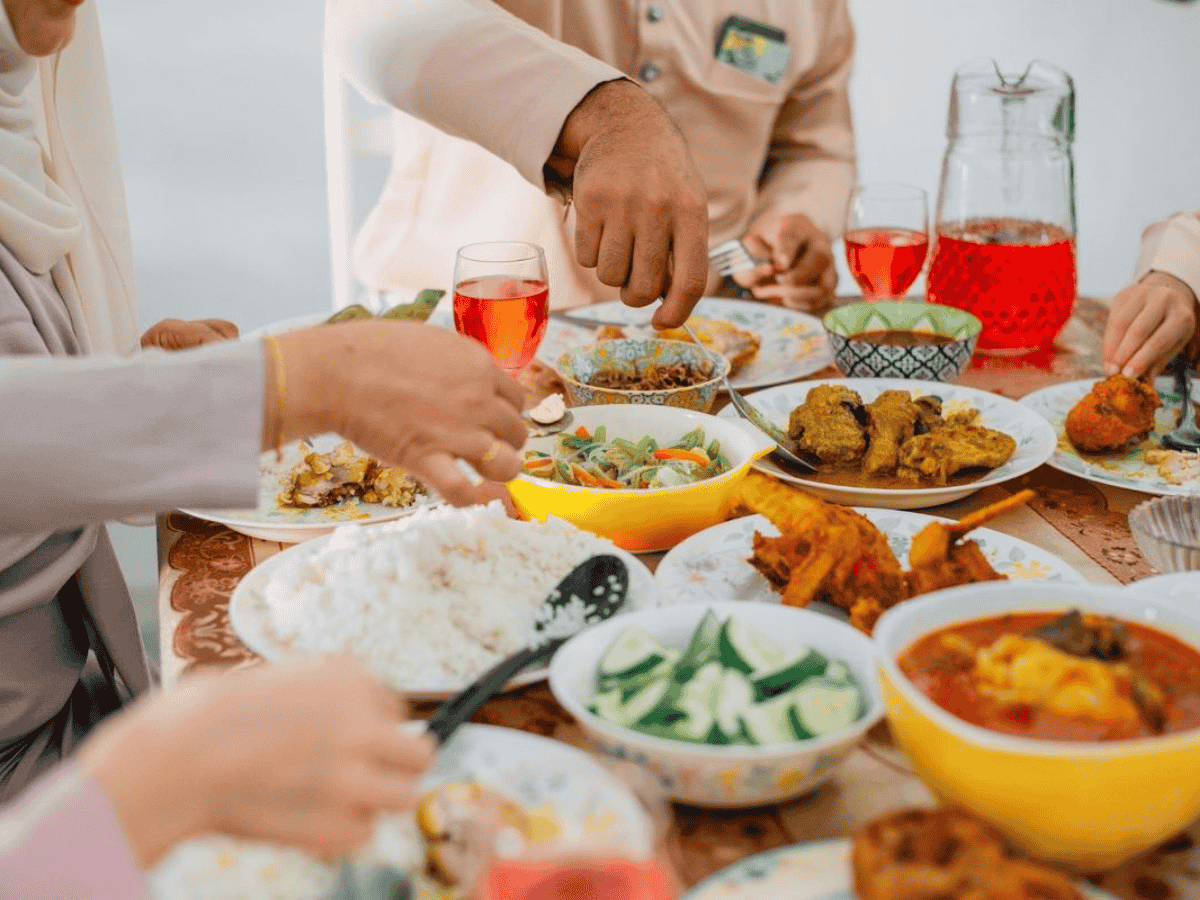
A meaningful movement is emerging around Malaysian culinary heritage. Chefs are revisiting old techniques such as fermentation, pickling, smoking, and slow braising. Forgotten ingredients — heirloom rice, indigenous vegetables, ancient grains — are making their way back onto menus.
Two motivations drive this trend:
- Sustainability — preserving seasonal ingredients and reducing waste
- Identity — showcasing Malaysian flavors in modern formats
Expect more tasting menus that highlight fermented sambals, aged fish sauces, foraged herbs, and traditional preparation techniques presented in contemporary, elegant plating.
Conclusion
Kuala Lumpur’s dining landscape this year is dynamic, diverse, and driven by both nostalgia and curiosity. It combines the comfort of tradition with the excitement of experimentation. Whether it’s private dining events, plant-based menus, heritage reinventions, tech-driven restaurants, or revitalised hawker culture, KL continues to evolve as one of Asia’s most flavour-rich capitals.
For diners, this means endless variety. For chefs and restaurateurs, it represents an opportunity to innovate, to tell stories, and to create experiences that resonate with a new generation of Malaysians and global visitors.
Looking for a Nice Restaurant in KL? Try Yaki Soul
Yaki Soul combines fine Japanese dining with a warm setting, making it one of KL’s nicest spots to dine.

