
Omakase KL Etiquette: Do’s and Don’ts Every Diner Should Know
- 6 April 2026
Stepping into an omakase restaurant feels very different from a typical dining experience. The word omakase translates to “I leave it up to you,” which means placing your full trust in the chef to decide what you eat, how it’s prepared, and when it’s served. In Kuala Lumpur, this style of dining has grown rapidly in popularity, attracting food lovers who appreciate craftsmanship, seasonal ingredients, and a more personal connection to their meal.
However, enjoying Omakase KL is not just about the food—it is also about understanding the unspoken rules that shape the experience. Etiquette plays a key role in ensuring that both you and those around you can fully appreciate the meal. Whether it’s your first visit or your fifth, knowing what to do (and what to avoid) can make a noticeable difference.
Understanding the Omakase Experience
Unlike ordering from a menu, omakase is guided entirely by the chef’s expertise. Each course is served in a carefully planned sequence, often highlighting the freshness and seasonality of ingredients. You are not just eating—you are participating in a curated journey.
Most Omakase KL restaurants feature counter seating, placing diners directly in front of the chef. This creates a close, almost conversational environment where every movement—from slicing fish to plating—is part of the experience. Because of this intimacy, small actions like timing, behaviour, and attentiveness matter more than you might expect.
Do: Arrive on Time
Punctuality is one of the most important aspects of omakase etiquette. Meals are typically served in rounds, and each course is timed precisely. Arriving late does not just affect your own experience—it can disrupt the entire flow for everyone at the counter.
Some restaurants may even shorten your course progression or deny entry if you are significantly late. To avoid this:
- Plan your route in advance
- Arrive at least 5–10 minutes early
- Inform the restaurant if you are running behind
Being on time shows respect for the chef’s preparation and the experience of other diners.
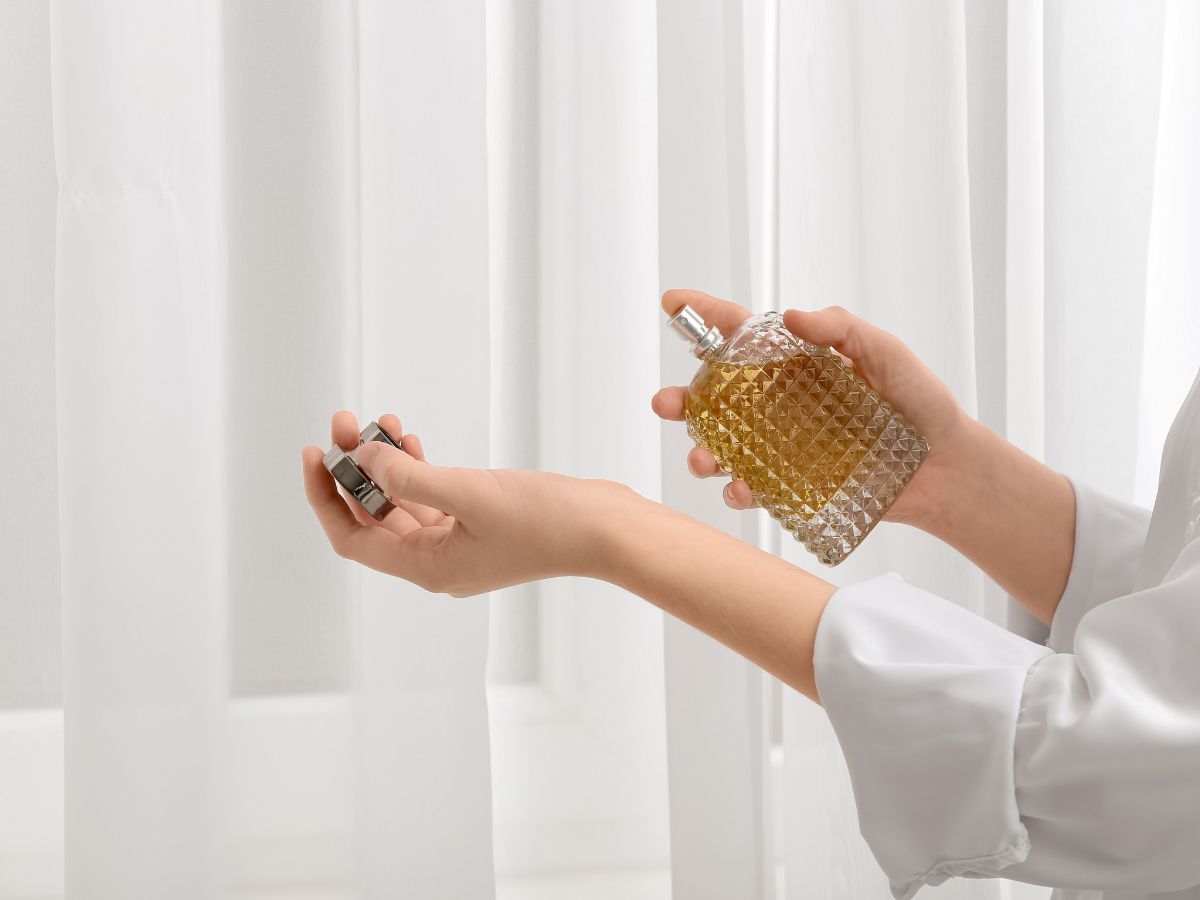
Don’t: Wear Strong Perfume or Fragrance
Omakase is a sensory experience, and smell plays a huge role in how dishes are perceived. Strong perfumes or colognes can interfere with the delicate aroma of ingredients like fresh fish, rice, and subtle seasonings.
In a close seating arrangement, even a small amount of fragrance can affect those around you. Keeping things neutral ensures that the focus stays where it should be—on the food itself.
Do: Trust the Chef’s Expertise
One of the core principles of omakase is trust. The chef has spent years mastering techniques, understanding ingredients, and designing a flow that brings out the best in each dish.
It can feel unfamiliar not to have control over what you eat, but that is part of the experience. Instead of questioning each course, try to approach it with curiosity and openness. If you have dietary restrictions, always inform the restaurant beforehand rather than during the meal.
Restaurants like Yaki Soul, for example, emphasize this trust by carefully selecting ingredients that reflect both quality and seasonality, creating a dining experience that evolves with each visit.
Don’t: Overuse Soy Sauce or Wasabi
It is common to see diners instinctively reach for soy sauce or add extra wasabi, but in omakase, this is usually unnecessary. Each piece is already seasoned by the chef to achieve a specific balance of flavours.
Adding more can overpower the intended taste and disrupt the harmony of the dish. A simple approach works best:
- Taste the food as it is served
- Follow any guidance provided by the chef
- Adjust only if clearly needed
In many cases, you will find that no adjustment is required at all.
Do: Eat Each Course Promptly
Timing is everything in omakase. Sushi, for instance, is often prepared with rice at a specific temperature and texture that changes quickly. Waiting too long before eating can affect both taste and mouthfeel.
When a dish is placed in front of you, it is usually a signal to enjoy it immediately. This ensures you experience the food exactly as the chef intended.

Private Dining in KL with Yaki Soul
Experience intimate and exclusive private dining with Yaki Soul’s refined Japanese dishes and cozy setting.
Don’t: Use Your Phone Excessively
While it is tempting to document every dish, excessive phone use can take away from the moment. Omakase is meant to be immersive, and constant distractions can break that connection.
A few quick photos are generally acceptable, but keep it respectful:
- Avoid using flash photography
- Limit the number of photos
- Stay present during the meal
Remember, some experiences are better enjoyed than recorded.
Do: Interact Respectfully with the Chef
One of the highlights of omakase dining is the opportunity to interact with the chef. A simple conversation can add depth to the experience, whether you are asking about ingredients or complimenting a dish.
That said, it is important to strike the right balance. Keep interactions polite and considerate, especially during busy moments. A genuine “thank you” or nod of appreciation can go a long way.
Don’t: Request Major Changes Mid-Meal
Omakase menus are carefully planned in advance, often with limited ingredients prepared specifically for each seating. Asking for significant changes midway through the meal can disrupt the flow and put unnecessary pressure on the chef.
If you have preferences or restrictions, communicate them clearly when making your reservation. This allows the restaurant to prepare accordingly and maintain the quality of the experience.
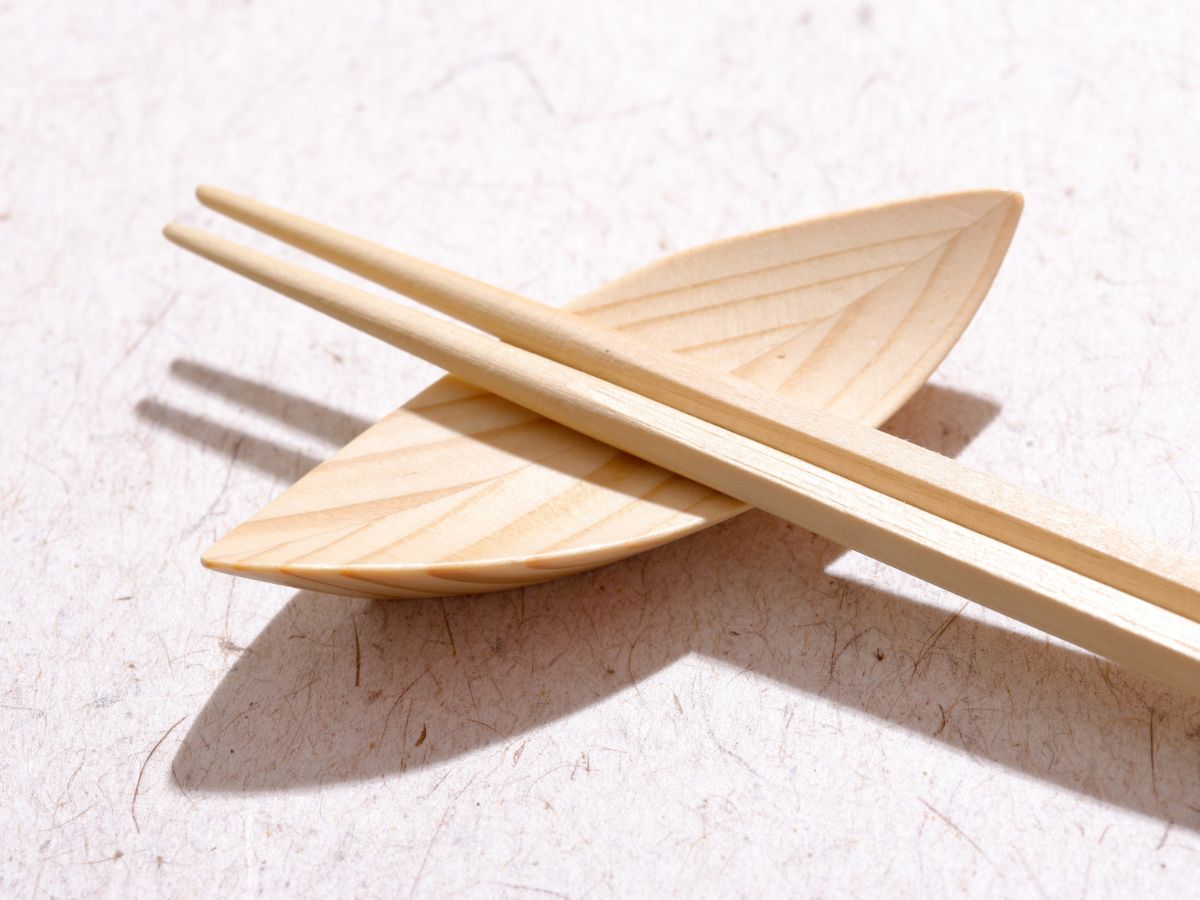
Do: Follow Proper Chopstick Etiquette
Chopstick etiquette is a small detail that carries cultural significance. Even if you are not deeply familiar with Japanese dining customs, following a few basic rules shows respect.
- Do not stick chopsticks upright into rice
- Avoid passing food directly between chopsticks
- Place them neatly on the holder when not in use
These gestures may seem minor, but they contribute to the overall atmosphere of respect and mindfulness.
Don’t: Rush the Experience
Omakase is not meant to be rushed. Each course is part of a larger narrative, building on flavours and textures as the meal progresses. Trying to speed through it can cause you to miss the subtle transitions that make the experience special.
Instead, take your time. Pay attention to the details, from the presentation to the way each bite evolves. This slower pace is what makes Omakase KL feel less like a meal and more like a journey.
Bonus Tips for First-Time Diners
If you are new to omakase, a few extra tips can help you feel more comfortable:
- Dress appropriately, usually smart casual
- Be prepared for a fixed, often premium price
- Keep an open mind toward unfamiliar ingredients
Most importantly, relax and enjoy the moment. There is no need to overthink every action—the experience is designed to be intuitive and enjoyable.
Conclusion
Dining at an omakase restaurant is about more than just eating—it is about trust, respect, and being fully present. By following these simple do’s and don’ts, you not only enhance your own experience but also contribute to the overall atmosphere of the restaurant.
From arriving on time to appreciating each course as it is served, every small detail plays a role. As Omakase KL continues to grow in popularity, understanding these etiquette guidelines helps ensure that each visit feels as special and memorable as it should be.
Looking for a Nice Restaurant in KL? Try Yaki Soul
Yaki Soul combines fine Japanese dining with a warm setting, making it one of KL’s nicest spots to dine.

