
Fine Japanese Dining Etiquette: What You Should Know
- 10 March 2026
Japanese cuisine is renowned worldwide for its precision, flavors, and artistry. But beyond the dishes themselves, dining in a fine Japanese restaurant comes with its own set of etiquette rules that reflect Japan’s culture of respect, harmony, and mindfulness. Whether you are visiting an upscale sushi bar, an omakase restaurant, or a traditional kaiseki dining experience, understanding Japanese dining etiquette not only shows respect for the culture but also enhances your overall experience.
In this article, we’ll guide you through the key aspects of fine Japanese dining etiquette, from seating and greetings to handling chopsticks and ordering. Following these tips will help you feel confident, respectful, and fully immersed in the Japanese dining experience.
1. Reservations and Punctuality
In Japan, punctuality is considered a sign of respect. Fine Japanese restaurants, particularly omakase and kaiseki establishments, typically follow carefully timed schedules. Being late may disrupt the seamless flow of the meal, which the chefs have precisely planned.
Provide accurate information regarding guest count, dietary restrictions, and special requests when booking a table. Many high-end restaurants also have dress codes, so checking in advance ensures you meet expectations. Being punctual and prepared shows appreciation for the chef’s effort and the restaurant’s structure.
2. Greetings and Seating
Upon arrival, wait to be greeted by the staff. In Japanese dining, it is customary to bow slightly and use polite language, such as saying “arigatou gozaimasu” (thank you very much). Once seated, avoid moving or rearranging furniture unless instructed, as seating arrangements often reflect careful planning.
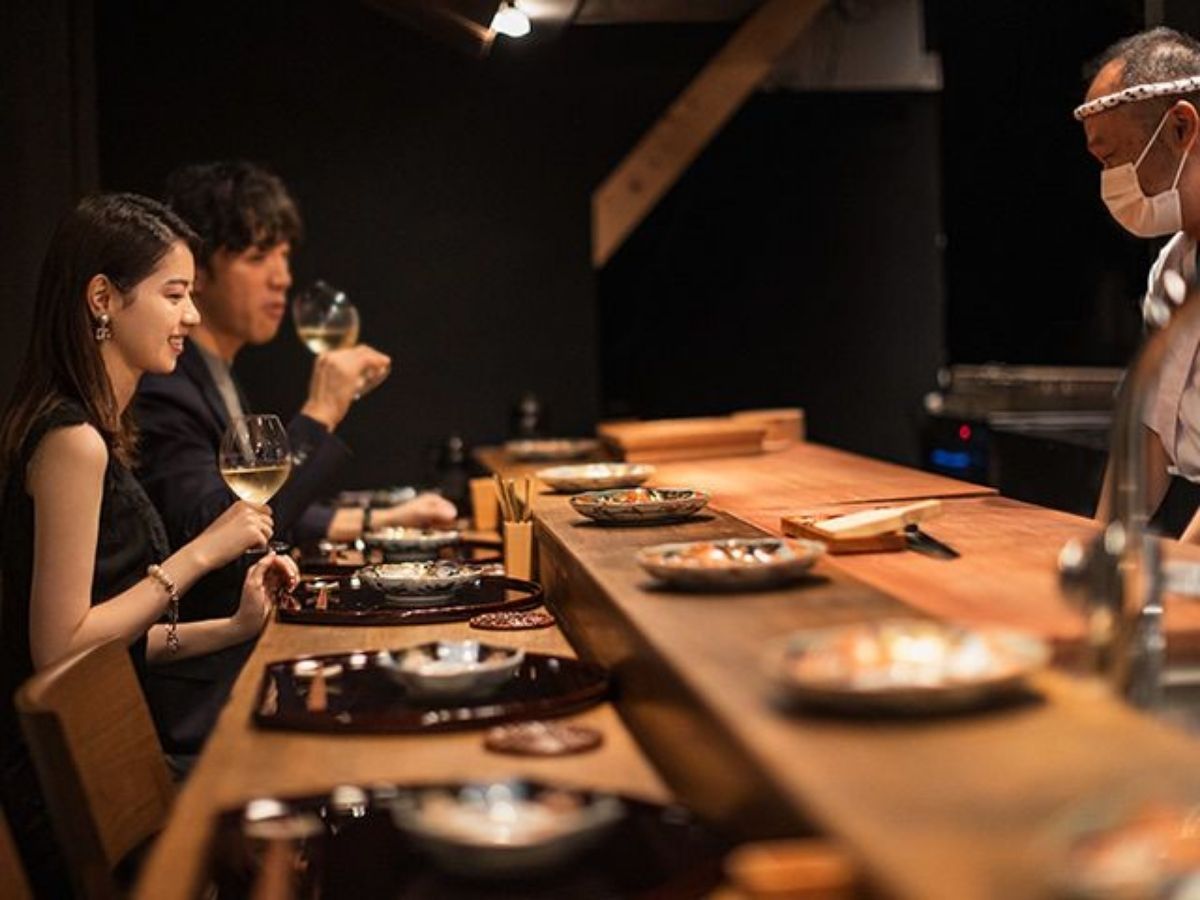
In certain restaurants, especially omakase bars, seating is often arranged around the sushi counter. Sit quietly and avoid leaning over the counter or interrupting the chef while they are preparing dishes. The chef will typically engage with diners, explaining each course or ingredient, so attentive listening is part of the experience.
3. Handling Chopsticks Correctly
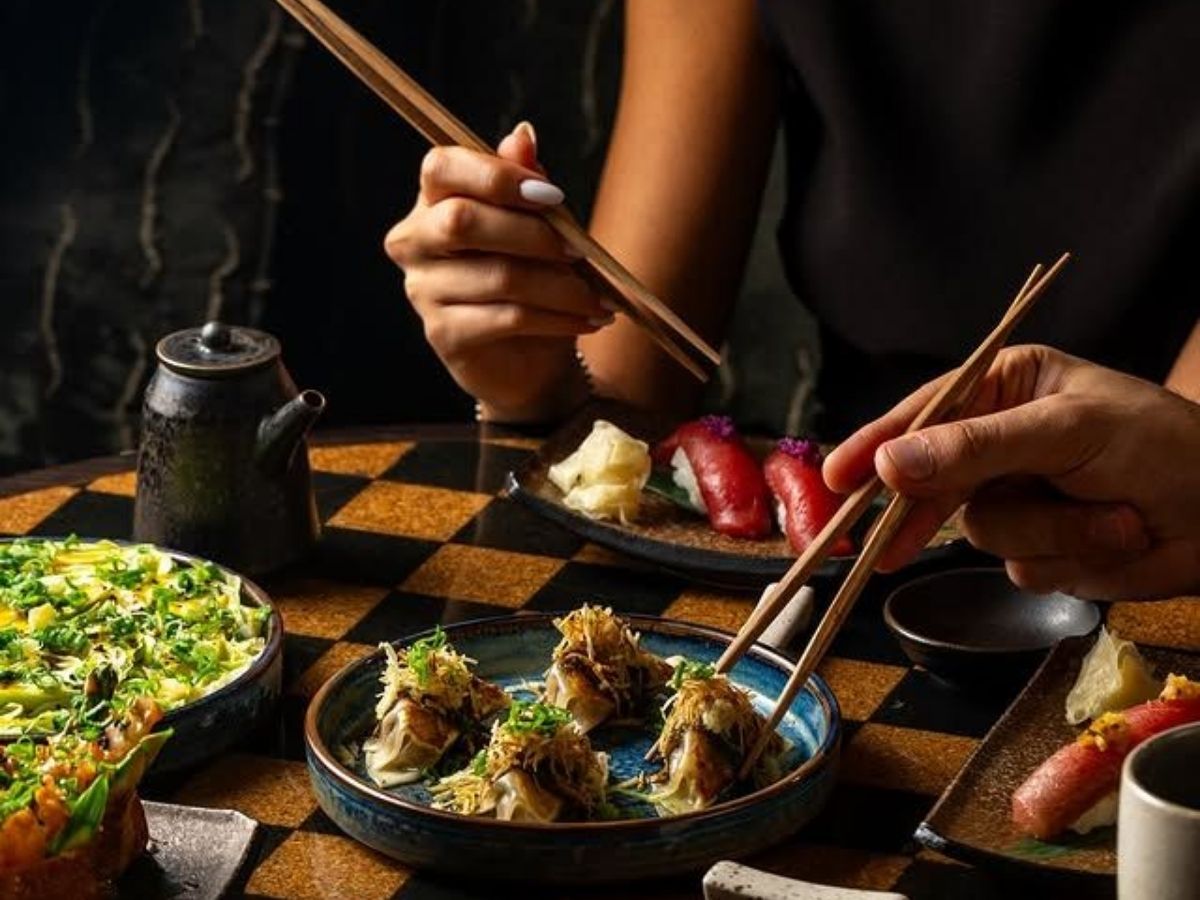
Chopsticks (hashi) are an essential part of Japanese dining, and proper handling is important. Here are some key rules:
- Do not leave chopsticks upright in rice, as it resembles a ritual at Japanese funerals.
- Avoid pointing at people or objects with your chopsticks.
- Never transfer food chopstick-to-chopstick, since it resembles a traditional funeral custom in Japan.
- Use the opposite ends of your chopsticks when taking food from shared plates.
- Rest chopsticks on the holder (hashioki) when not in use, instead of leaving them on the table or plate.
Mastering these small details shows cultural respect and keeps your dining experience polished.
4. Understanding the Menu
Fine Japanese dining often includes multi-course meals or omakase, where the chef chooses the dishes for you. If you have dietary restrictions, communicate them politely in advance.
Take the time to appreciate the presentation, aroma, and texture of each dish. Many chefs prepare courses with seasonal ingredients and artistic arrangements. Avoid rushing, as the meal is designed to be savored slowly. In traditional kaiseki dining, every course is carefully planned, with a specific sequence that reflects harmony and balance.
5. Eating and Drinking Etiquette
When eating rice or soup, lift the bowl closer to your mouth rather than bending down, sip soup directly from the bowl if appropriate, and use chopsticks for solid ingredients. Finishing a dish shows respect for the chef, though leaving a small portion is acceptable if necessary. Always end the meal by saying “gochisousama deshita” to express gratitude.
When drinking sake or other beverages, it is polite to serve others before yourself and allow them to reciprocate. Avoid drinking by yourself, and use both hands to receive a pour, demonstrating courtesy and shared enjoyment.

Private Dining in KL with Yaki Soul
Experience intimate and exclusive private dining with Yaki Soul’s refined Japanese dishes and cozy setting.
6. Table Manners and Conduct
Japanese dining culture values careful attention and respectful conduct throughout the meal. Some general rules include:
- Avoid talking loudly or using your phone during the meal.
- Chew quietly and eat at a moderate pace to match the rhythm of the meal.
- Do not reach across the table; ask politely for items to be passed.
- Use shared condiments sparingly and avoid touching them with personal utensils.
- Respect the chef’s instructions in tasting order, especially in omakase, where sequence matters.
Maintaining calm and courteous behavior enhances the atmosphere for everyone and aligns with the Japanese philosophy of harmony (wa).
7. Respecting Presentation and Food Preparation
Presentation in Japanese cuisine is considered as important as taste. Plates are arranged to please the eye, often reflecting seasonal motifs or cultural symbolism. Avoid rearranging or mixing elements on the plate. Appreciate each dish visually before tasting, and use the utensils provided for each course.
In sushi dining, it is polite to eat nigiri in one bite if possible. This allows you to enjoy the perfect balance of fish, rice, and seasoning as the chef intended. For sashimi, dip lightly in soy sauce, avoiding excess that may overpower the delicate flavors.
8. Tipping and Payment
Tipping is not customary in Japan, as excellent service is considered standard. While tipping isn’t customary in Japan, some high-end Japanese restaurants abroad may accept a small tip. Always check the local norms of the country you are dining in.
It is polite to use the tray for payment instead of directly giving cash to the restaurant staff. If splitting the bill, inform the staff in advance, as they may handle it differently from Western restaurants.
9. Engaging with the Chef
In fine Japanese dining, especially at omakase counters, chefs often interact directly with diners. It’s polite to listen attentively, ask questions respectfully, and show appreciation for their skill. Complimenting the food sincerely is welcomed, but avoid excessive praise or loud comments that may disrupt other diners.
Remember, Japanese chefs take pride in their craft, and showing respect through mindful eating, quiet engagement, and gratitude enhances the dining experience.
10. Key Takeaways for Fine Japanese Dining
- Make a reservation and arrive on time.
- Use polite greetings and bow slightly upon arrival.
- Handle chopsticks carefully and follow table manners.
- Savor dishes in the intended sequence and appreciate presentation.
- Pour drinks for others before serving yourself.
- Speak quietly, chew politely, and avoid disruptive behavior.
- Show gratitude at the end with “gochisousama deshita”.
Following these guidelines ensures that your dining experience is both respectful and immersive, allowing you to enjoy the artistry, flavors, and cultural significance of fine Japanese cuisine.
Conclusion
Fine Japanese dining is about more than just eating; it’s an art form and a cultural experience. Understanding etiquette allows diners to fully appreciate the care, skill, and tradition that go into each dish. Following these etiquette rules, whether at a small dinner, a kaiseki course, or an omakase tasting, shows respect, elevates your experience, and leaves a lasting impression.
By paying attention to seating, chopstick use, table manners, and engaging respectfully with the chef, you not only enjoy the meal but also honor the rich cultural heritage behind Japanese cuisine. With these tips in mind, you can confidently explore fine Japanese dining, whether at a high-end restaurant in Tokyo, Kuala Lumpur, or any city where Japanese culinary traditions are celebrated.
Looking for a Nice Restaurant in KL? Try Yaki Soul
Yaki Soul combines fine Japanese dining with a warm setting, making it one of KL’s nicest spots to dine.

